Explore

Delve deeper into stories of the Army and its soldiers, exploring events across the globe and down the centuries.

Explore by theme
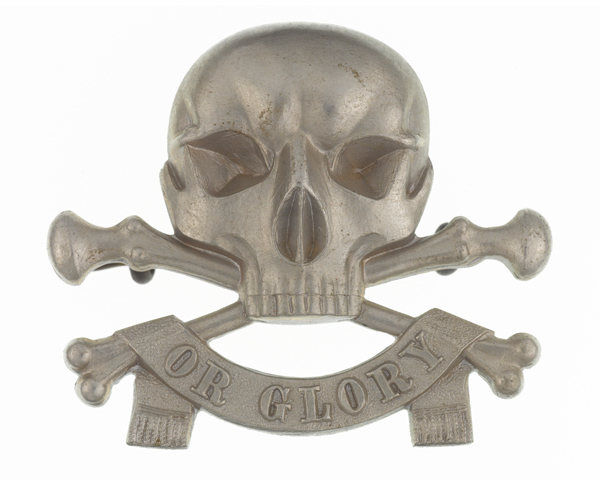
Cap badge, 16th (The Queen’s) Lancers, c1900

16th (The Queen’s) Lancers

This cavalry regiment was raised in 1759. It served in many British Army campaigns around the world until 1922, when it was merged into the 16th/5th Lancers.

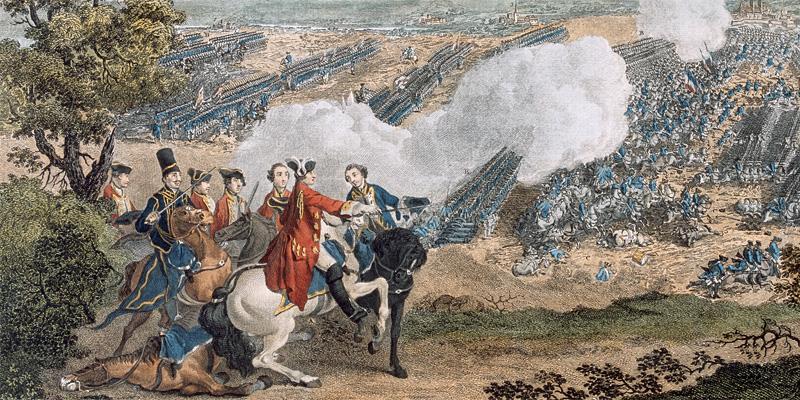
The Battle of Minden, 1759

Seven Years War

Fought between 1756 and 1763, this conflict can claim to be the original 'world war'. Franco-British fighting in North America and India became part of a general war in Europe with far-reaching consequences.

Badge, 17th/21st Lancers, 1980 (c)

17th/21st Lancers

This armoured regiment was raised in 1922. It served in several British Army campaigns until 1993, when it was merged into The Queen’s Royal Lancers.

Cap badge, 17th (Duke of Cambridge's Own) Lancers, c1900

17th (The Duke of Cambridge’s Own) Lancers

This cavalry regiment was raised in 1759. It served in several British Army campaigns until 1922, when it was merged into the 17th/21st Lancers.

Cap badge, 21st (Empress of India’s) Lancers, c1917

21st (Empress of India’s) Lancers

This cavalry regiment was raised in 1858 for the East India Company. It soon transferred to the British Army, fighting in several campaigns until 1922, when it was merged into the 17th/21st Lancers.

Other ranks' bearskin badge, The Royal Scots Fusiliers, c1902

The Royal Scots Fusiliers

This infantry regiment was raised in 1678 and recruited in south-west Scotland. It fought in many British Army campaigns until 1959, when it was merged into The Royal Highland Fusiliers.

Other ranks’ cap badge, 4th (Royal Irish) Dragoon Guards, c1900

4th Royal Irish Dragoon Guards

This cavalry regiment was raised in 1685. It fought in many British Army campaigns until 1922, when it was merged into the 4th/7th Dragoon Guards.

Cap badge, 7th (Princess Royal's) Dragoon Guards, c1900

7th (The Princess Royal’s) Dragoon Guards

This cavalry regiment was raised in 1688. It fought in many British Army campaigns until 1922, when it was merged into the 4th/7th Dragoon Guards.

Badge, 4th/7th Royal Dragoon Guards, c1968

4th/7th Royal Dragoon Guards

This armoured regiment was formed in 1922. It continued in British Army service until 1992, when it was merged into The Royal Dragoon Guards.

Cap badge of The Royal Dragoon Guards, c1992

The Royal Dragoon Guards

This cavalry unit was formed in 1992 and operates as an armoured reconnaissance force. It has served in several deployments, including the recent wars in Afghanistan and Iraq.

Other ranks' cap badge, The Royal Logistic Corps, c1993

Royal Logistic Corps

Formed in 1993, this is the British Army’s largest corps. It sustains military operations around the world by moving troops, equipment and supplies on land, sea and air.

Other ranks' cap badge, The Queen’s Bays (2nd Dragoon Guards), c1920

The Queen’s Bays (2nd Dragoon Guards)

This cavalry regiment was formed in 1685. It fought in many British Army campaigns until 1959, when it was merged into the 1st The Queen's Dragoon Guards.

Stories of remembrance

story

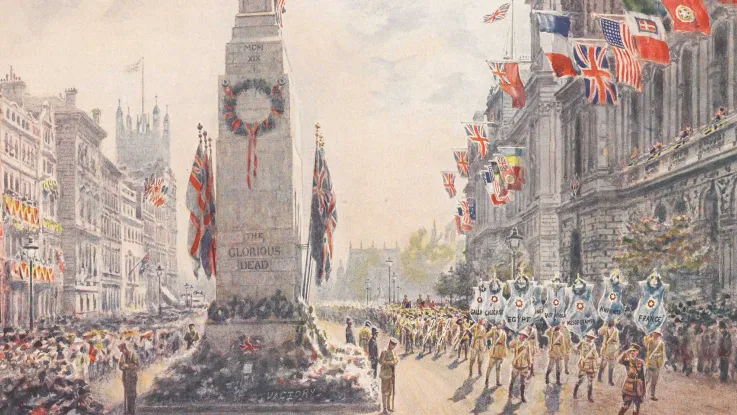
Peace and commemoration

After the Armistice in November 1918, millions of soldiers hoped they would soon go home. But demobilising so many troops was a huge task. How best to mark the Allied victory also became a subject for debate.

Story

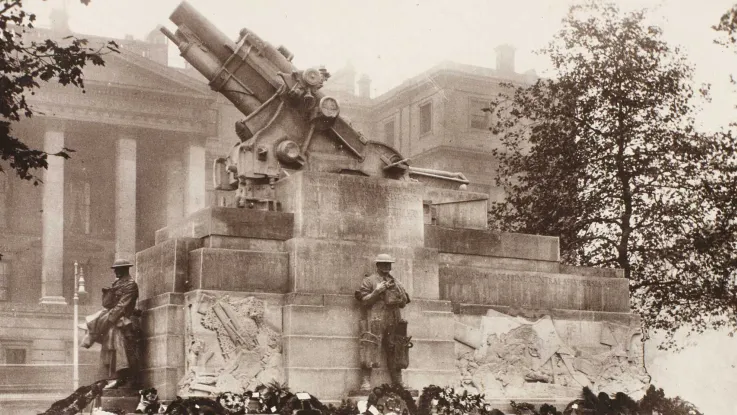
Honouring the fallen

After the First World War, British society had to come to terms with the loss of huge numbers of its service personnel. Across the country, people found ways to commemorate the fallen at a local and national level.

Story

The Unknown Warrior

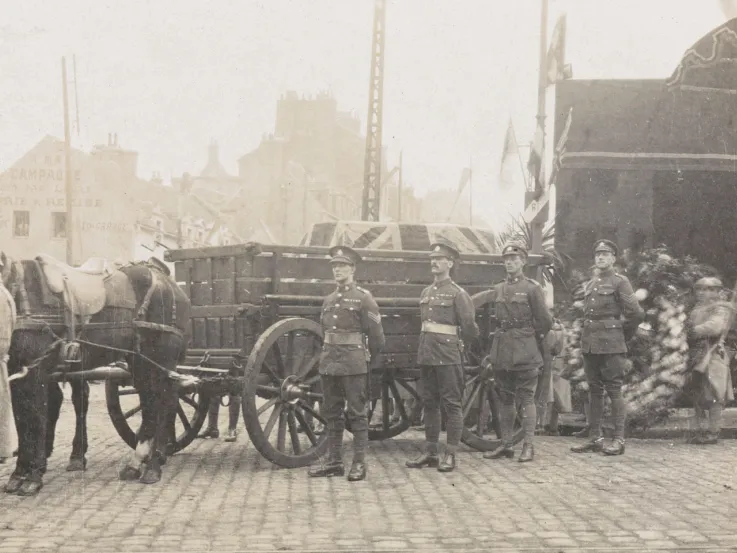
The grave of the Unknown Warrior contains the remains of an unidentified British serviceman, interred in 1920 to honour the fallen of the First World War. The secretive selection process remains shrouded in mystery.