Explore

Delve deeper into stories of the Army and its soldiers, exploring events across the globe and down the centuries.

Explore by theme
Detail from 'The King’s Shilling, c1770'

The King’s Shilling, c1770

This painting depicts an Army recruiting party going about its business at an English country fair. Here, we take a closer look to learn more about 18th-century recruitment and its impact on volunteers and their loved ones.

A soldier relating his exploits in a tavern, 1821

A soldier relating his exploits in a tavern, 1821

This painting depicts a Waterloo veteran regaling his fellow tavern-goers with tales of past glory. Here, we take a closer look to discover what the artwork tells us about soldiers and society in the wake of the Napoleonic Wars.

'Dawn of Waterloo', by Lady Elizabeth Butler, 1895

Dawn of Waterloo

This emotive oil painting is one of the highlights of our art collection. Details revealed during four months of specialist conservation have enhanced our understanding of the artist, Lady Butler, and her empathy for the ordinary soldier.

Rex Whistler’s self-portrait, May 1940

Rex Whistler’s self-portrait, May 1940

This self-portrait is one of many depictions of Second World War soldiers on display at the National Army Museum. Here, we take a closer look at the painting to discover more about Whistler's life as an artist and soldier.

Installing a First World War rum jar in the Conflict in Europe gallery

Mudbound: Conserving an Army rum jar

One of the items in our Conflict in Europe gallery is a rum jar unearthed from the trenches of the Western Front. Before going on display, it raised some interesting ethical questions on how to deal with dirt.

Corporal Danny Groves, Royal Irish Regiment, Afghanistan, 2006

Corporal Danny Groves

Danny Groves served as a mortar section commander with the Royal Irish Regiment in Afghanistan in 2006. At Musa Qala, he was embroiled in one of the Army’s most intense and gruelling sieges of recent times.

Gerry Chester, during training with the Royal Tank Regiment, c1942

Sergeant Arthur ‘Gerry’ Chester

Gerry Chester served with the tanks of the North Irish Horse in North Africa and Italy during the Second World War. Like other tankmen, he forged a close bond with his crew mates, with whom he endured many hardships and combat actions.

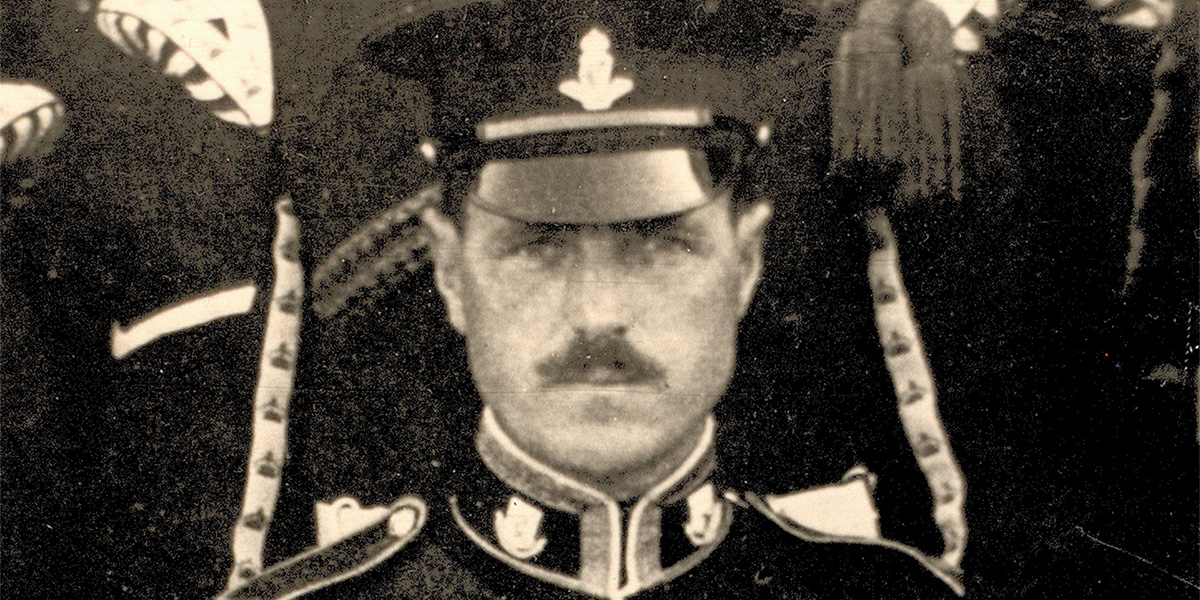
Sergeant Major James Frederick Plunkett, 2nd Battalion, the Royal Irish Regiment, c1911

Lieutenant Colonel James Frederick Plunkett

James Frederick Plunkett served on the Western Front throughout the First World War. His courage, leadership and devotion to duty enabled him to rise through the ranks and become one of the most highly decorated servicemen of the war.

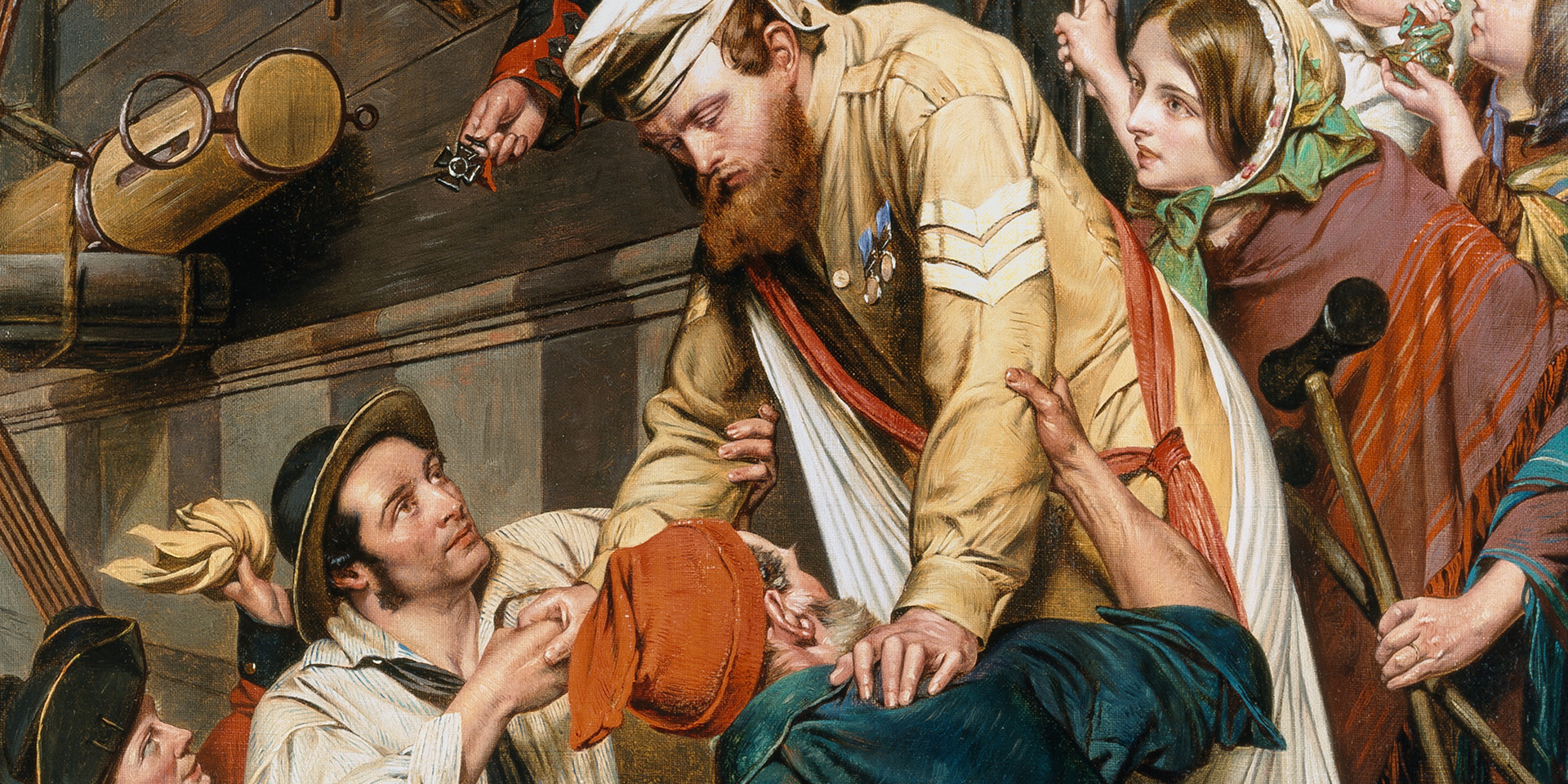
Hospital Sergeant Frederick Newman, 1850

Hospital Sergeant Frederick Newman

Frederick Newman served with the 97th Foot in the 1840s and '50s. Like many Victorian soldiers, he spent most of his military career abroad, enduring various hardships. He met his fate during the first cruel winter of the Crimean War.

Section Leader Mary Oldnall of the ATS working electrical apparatus, Shoeburyness, c1941

Hidden voices: Mary Coomer

The voice of Mary Coomer, who served in the ATS during the Second World War, was recently discovered in the National Army Museum's collection of oral history interviews. This is her story, in her own words.

Valerie Erskine Howe, Auxiliary Territorial Service, on a motorbike, c1944

Hidden voices: Valerie Erskine Howe

What would you do if your partner told you to get out there and 'learn about life' before they would marry you? Valerie Erskine Howe opted to join the Army... in the middle of a war. This is her story.

Captain Robert Parker, The Royal Regiment of Ireland, c1720

Captain Robert Parker

Robert Parker was an Irish soldier who saw extensive action during the wars of the 1690s and 1700s. His memoirs provide a valuable insight into his life and times, as well as the early history of the Royal Irish Regiment in which he served.

Stories of remembrance

story

Peace and commemoration

After the Armistice in November 1918, millions of soldiers hoped they would soon go home. But demobilising so many troops was a huge task. How best to mark the Allied victory also became a subject for debate.

Story

Honouring the fallen

After the First World War, British society had to come to terms with the loss of huge numbers of its service personnel. Across the country, people found ways to commemorate the fallen at a local and national level.

Story

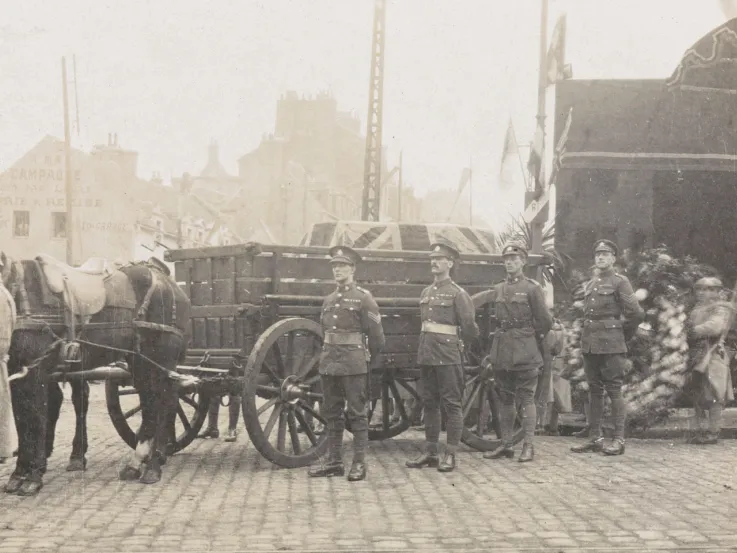
The Unknown Warrior

The grave of the Unknown Warrior contains the remains of an unidentified British serviceman, interred in 1920 to honour the fallen of the First World War. The secretive selection process remains shrouded in mystery.